Inscriptions
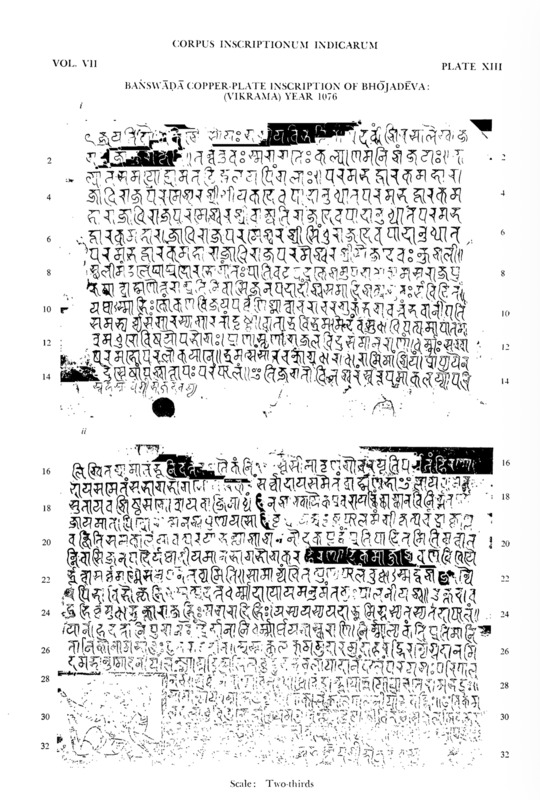
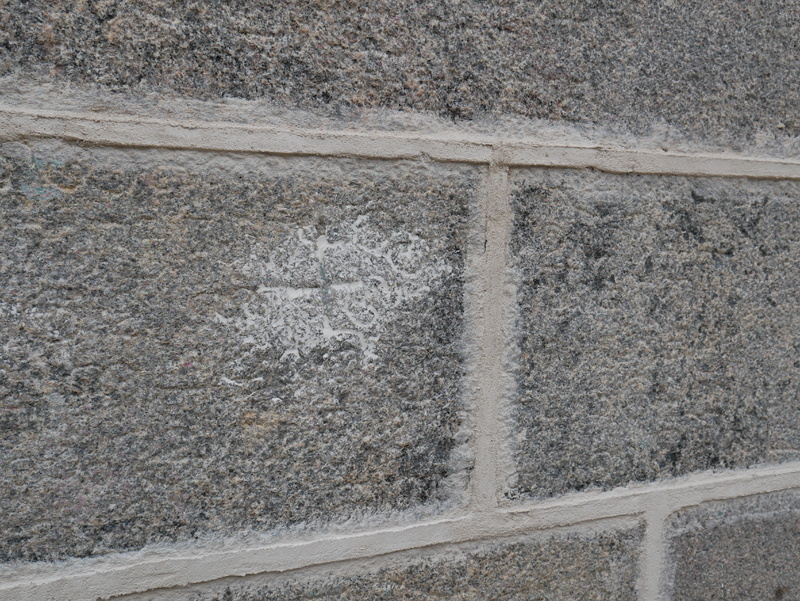
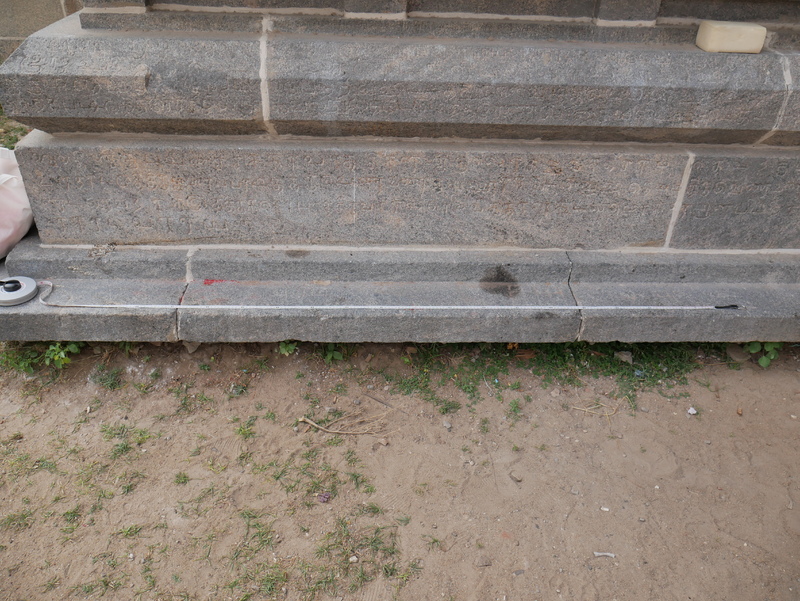
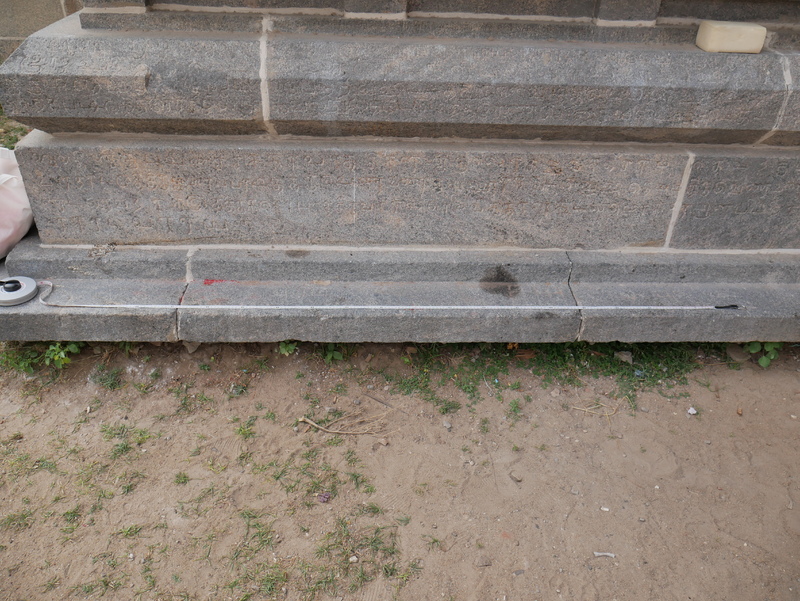
Copper plate and stone inscriptions constitute crucial primary sources for the study of South Asian history. These epigraphs predominantly document temple endowments, royal proclamations, dynastic lineages, donations, taxation, and title deeds. Certain inscriptions also functioned as standards of measurement, as in the case of those recording standard measuring rods in Tamil temples such as Seeyamangalam. While such materials have long been the focus of historical and philological scholarship, they can also be read as records of mathematical practice, particularly in relation to measurement, computation, and proportion.
From this perspective, inscriptions provide evidence for the kinds of units, procedures of calculation, and proportional allocations, especially in matters of revenue assessment and entitlements, that were prevalent at different historical moments. They may further illuminate the ways in which these quantitative practices were embedded in social relations, including those structured by caste and status. While our main collection include hundreds of inscriptional records we display only a select few here. You may access the entire collection through the Historical Atlas of South India project. Through the atlas we seek to map and contextualise the diverse systems of measure attested across time and space in the region corresponding to present-day Tamil Nadu.